5 Indian Beaches Where You May Spot Turtle Hatchlings in April-May
April and May are a special time along parts of India’s coastline. This is when sea turtle eggs, buried weeks earlier in the sand, begin to hatch. Tiny hatchlings emerge and make their way toward the sea, guided mostly by instinct and moonlight. It’s a brief window, and sightings aren’t guaranteed, but when it happens, it’s hard to forget.
Across several coastal states, local communities and conservation groups work to protect these nesting sites and improve survival rates. Here are five places where visitors might witness this natural event:
Velas Beach, Maharashtra
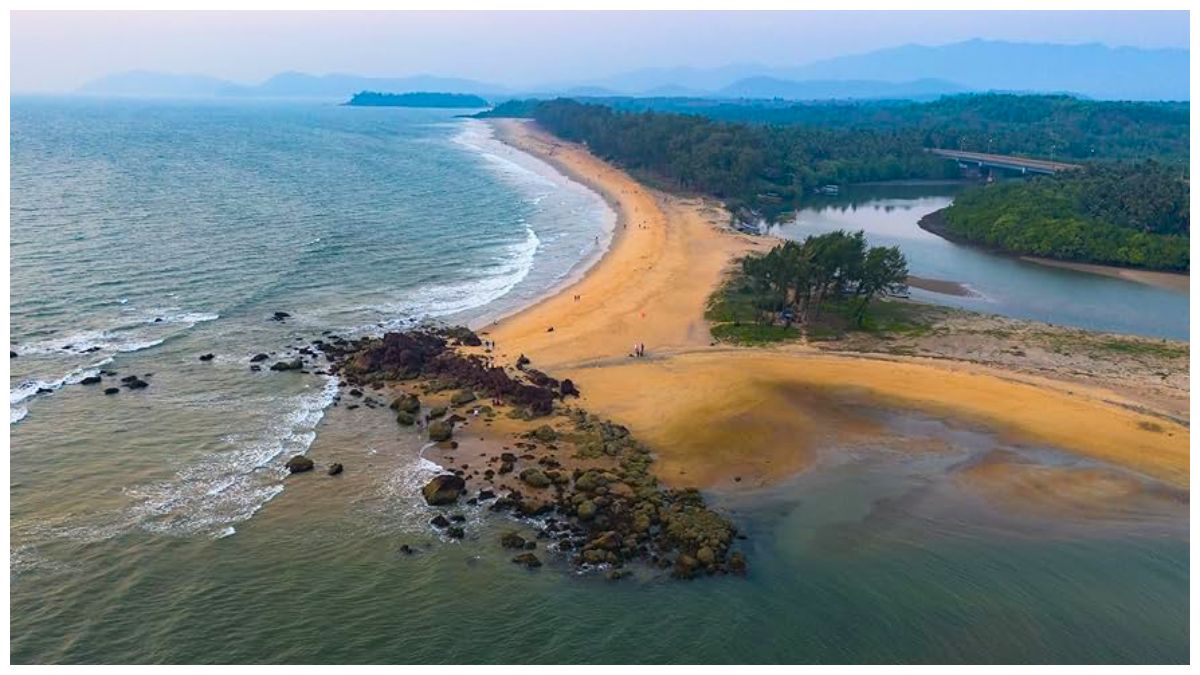
Located in Ratnagiri district along the Konkan coast, Velas has become known for its community-led turtle conservation efforts. The beach focuses on protecting Olive Ridley turtle eggs from threats, often relocating them to safer zones. Hatching usually peaks between March and May, with April being particularly active.
Rushikulya Coast, Odisha
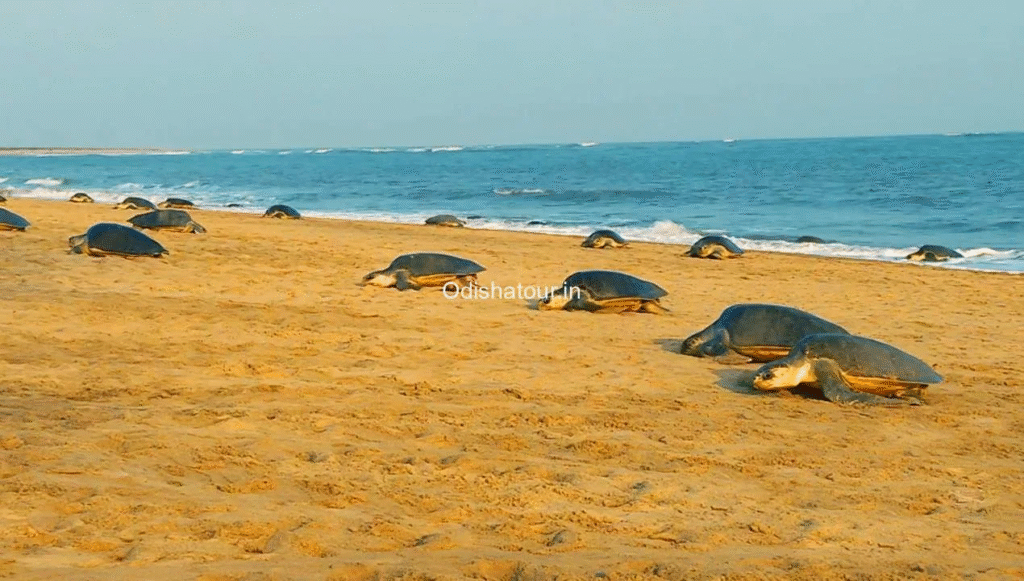
The Rushikulya rookery in Ganjam district is one of the most important nesting sites for Olive Ridley turtles in India. It is known for arribadas, when thousands of turtles come ashore together to lay eggs. While nesting happens earlier in the year, hatchlings typically begin to emerge in April and May. The scale of activity here makes it one of the most significant sites in the country.
Gahirmatha Coast, Odisha
Near Bhitarkanika National Park, Gahirmatha is among the largest turtle nesting sites in the world. However, it is primarily a protected area, and access is restricted. Hatchings depend on seasonal patterns, and the focus here remains on conservation rather than tourism.
Galgibaga Beach, Goa
In South Goa, Galgibaga offers a quieter alternative to the state’s busier beaches. Parts of the beach are marked as protected nesting zones for Olive Ridley turtles. During the season, access is controlled, and if conditions are right, visitors may get a chance to witness hatchlings. Following guidelines is essential here.
Chennai Coast, Tamil Nadu
Along the Chennai coastline, including areas like Besant Nagar and Neelangarai, conservation groups actively work to protect turtle eggs. Due to urban challenges like lighting and human activity, eggs are often relocated to safer hatcheries. Hatchlings are then released under supervision, making this stretch an important example of urban wildlife conservation.
What to keep in mind
Turtle hatchings depend on timing, weather, and several natural factors, so there’s no guarantee of sightings. If you do visit, it’s important to respect local guidelines avoid flash photography, keep distance, and follow instructions from conservation teams.
For those who happen to catch it, watching hatchlings take their first steps toward the sea is a quiet but powerful experience.