Destinations
schedule
3 min read
5 Iconic Destinations Where Photography is Prohibited
verified
Quick Destination Logistics
Best Season
October to March (Pleasant Central Indian Winter)
Nearest Transit
Raipur Airport (RPR) & Jagdalpur Railway Station
Ideal Duration
4 Days / 3 Nights
In today's digital age, photography is a key part of travel, allowing tourists to capture and share their experiences. However, there are some iconic destinations where taking photos is strictly prohibited. Ignoring these rules can lead to disrespecting the site's significance and even legal trouble. Here are five renowned tourist spots where you'll need to keep your camera tucked away.
- The Sistine Chapel, Vatican City
The Sistine Chapel, famous for Michelangelo's stunning ceiling frescoes, is a must-visit in Vatican City. Despite the overwhelming desire to capture these masterpieces, photography is strictly forbidden. This rule helps preserve the delicate artwork from potential damage caused by camera flashes and maintains an atmosphere of reverence and contemplation. - The Taj Mahal, India
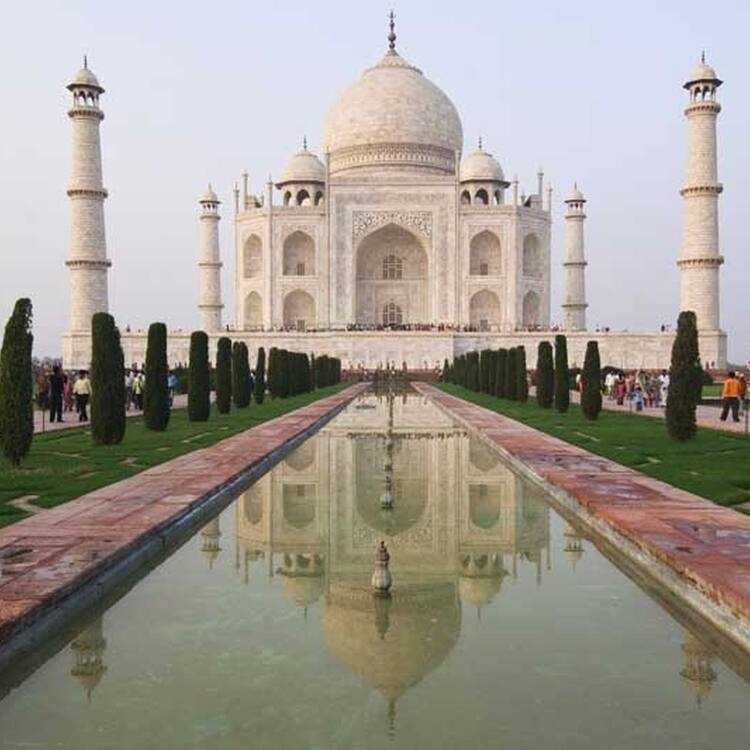
The Taj Mahal in Agra is an architectural wonder and a symbol of eternal love. While you can freely photograph its gardens and exterior, photography inside the main mausoleum is prohibited. This measure protects the intricate marble work and maintains the site's solemnity, as it is a tomb dedicated to Mumtaz Mahal, the beloved wife of Emperor Shah Jahan. Visitors are urged to respect the sanctity of the monument and enjoy its serene ambiance without the distraction of cameras.
- Eiffel Tower at Night, France
The Eiffel Tower is a global icon, drawing millions of visitors to Paris each year. Daytime photography is welcomed, but taking photos of the tower at night is prohibited due to copyright laws. The lighting display, created by Pierre Bideau, is considered a separate artistic work protected by copyright. Unauthorized commercial use of nighttime photos is illegal without permission, a rule that protects the designer's rights and the landmark's aesthetic integrity. - Uluru (Ayers Rock), Australia
Uluru, or Ayers Rock, is a massive sandstone monolith in Australia's Northern Territory, sacred to the indigenous Anangu people. To honor their cultural beliefs, certain areas of Uluru are off-limits to photography. Climbing Uluru has also been banned since October 2019, following the wishes of the Anangu community. Visitors are encouraged to appreciate Uluru's beauty and cultural heritage through guided tours and educational programs. - The Alamo, USA
The Alamo in San Antonio, Texas, is a historic site commemorating a key battle in the Texas Revolution. Photography is banned inside the Alamo church to preserve its solemnity and honor the memory of the Texan defenders who perished there. This restriction also protects the delicate artifacts and historical documents housed within the church.
Visiting these sites without a camera can enhance the experience, allowing you to fully immerse yourself in their history, culture, and beauty.
help
Frequently Asked Questions
What is the best time to visit 5 Iconic Destinations Where Photography is Prohibited? expand_more
The ideal time to explore 5 Iconic Destinations Where Photography is Prohibited in Destinations is between October and March when Central India enjoys cool, pleasant daytime temperatures, making outdoor sightseeing and cultural trails very comfortable.
How do I reach 5 Iconic Destinations Where Photography is Prohibited from Raipur? expand_more
Raipur (Swami Vivekananda Airport - RPR) serves as the primary gateway. From Raipur, well-paved national and state highways connect directly via private cabs, luxury coaches, and regional trains.
Can Trips N Trippers arrange a customized guided tour for 5 Iconic Destinations Where Photography is Prohibited? expand_more
Yes, Trips N Trippers provides end-to-end bespoke itineraries including government-certified local guides, sanitized private vehicles, heritage homestays, and tribal craft workshops.
Are permits required for visiting 5 Iconic Destinations Where Photography is Prohibited? expand_more
Most open tourist destinations and cultural centers do not require special domestic permits. For restricted wildlife zones or interior tribal markets, our DMC handles all administrative clearances.
Tailored Central India Expeditions
chat
Inquire on WhatsApp
Experience Bastar With Certified Local Experts
From Chitrakote water cascades to remote Dandami Maria tribal settlements, let Trips N Trippers curate an authentic, responsible, and culturally immersive itinerary for you.