
India's Historic Jantar Mantar : Architectural Marvels of Astronomy
Quick Destination Logistics
India is home to five historic Jantar Mantar, each a testament to the country's rich astronomical heritage and architectural brilliance. Maharaja Jai Singh II built these observatories in New Delhi, Jaipur, Ujjain, Mathura, and Varanasi in the 18th century, and they have fascinated visitors for centuries.
Maharaja Jai Singh II of Jaipur, a visionary ruler with a deep interest in astronomy, commissioned the construction of these Jantar Mantars between 1724 and 1735. Each site served as a hub for astronomical research, equipped with various instruments designed to measure time, predict eclipses, and track celestial bodies.
Among these five, the Jantar Mantar in Jaipur stands out as a UNESCO World Heritage Site, recognized for its outstanding universal value in 2010. Let's explore each of these remarkable observatories:
Jantar Mantar, Jaipur, Rajasthan
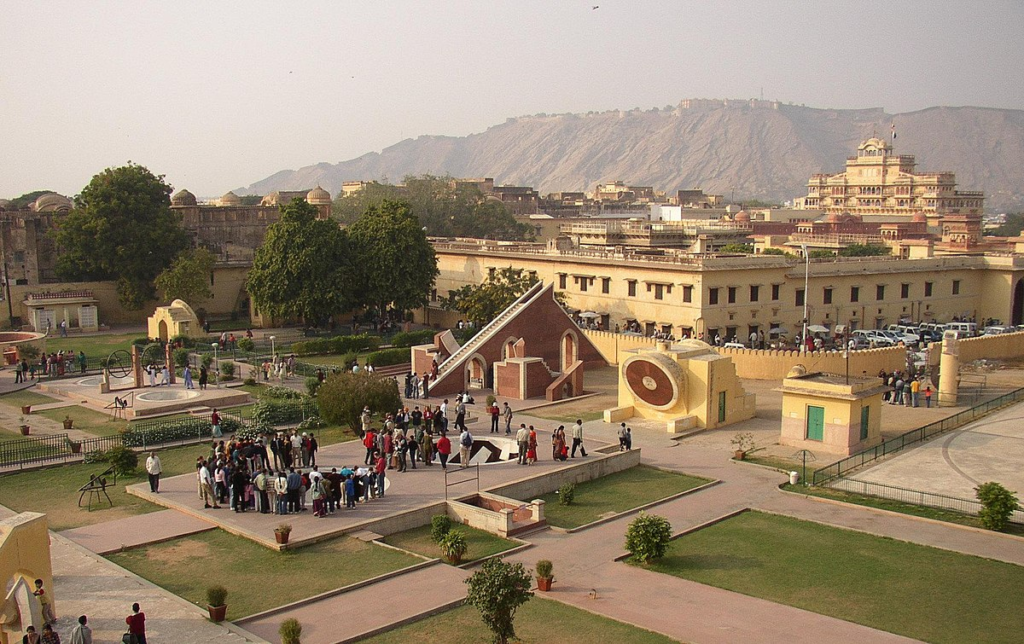
The Jantar Mantar in Jaipur is the largest and most renowned of the five. Built in 1734 by Maharaja Sawai Jai Singh II, the founder of Jaipur, this observatory houses 19 astronomical instruments, including the world's largest stone sundial. Its exceptional design and functionality earned it the prestigious UNESCO World Heritage status.
Jantar Mantar in Delhi
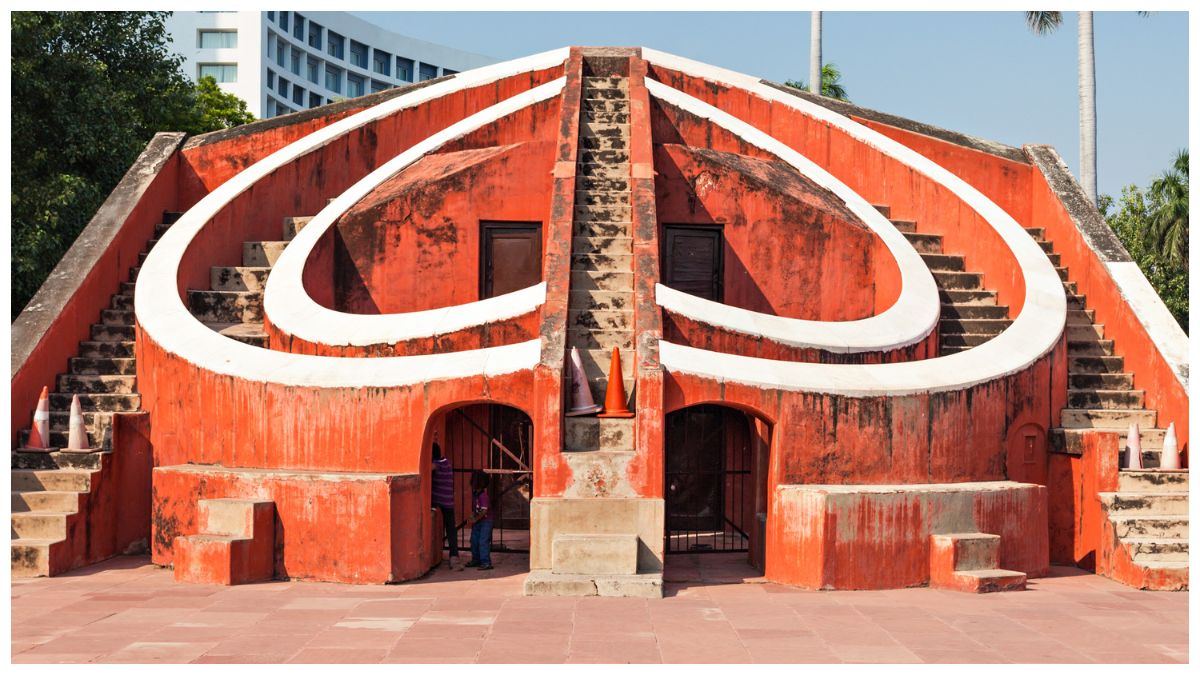
Constructed in 1724, the Jantar Mantar in Delhi is the second-largest of these observatories. It includes a variety of instruments, including a precision sundial used to determine the positions of celestial bodies. The Delhi Mantar was crucial for providing accurate astronomical data in its time.
Ujjain, Madhya Pradesh
The Ujjain Jantar Mantar, completed in 1725, was a key center for astronomical study. It is home to some of the largest sundials among the five observatories and played a significant role in observing celestial events. Historically, people considered Ujjain the prime meridian of India, adding to the importance of this site.
Jantar Mantar, Varanasi, Uttar Pradesh
Established in 1737, It may be smaller than its counterparts, but it contains essential instruments for astronomical observation. Like the other observatories, it measured time and tracked celestial movements, contributing to the scientific advancements of its era.
Jantar Mantar, Mathura
Built in 1711, It is the oldest of the five. This site holds significant historical value because Maharaja Jai Singh II began his ambitious project to construct a series of observatories across India here, despite it being the least well-preserved.
These Jantar Mantars are not only architectural wonders but also monuments to India's long-standing fascination with the cosmos. Each observatory offers a glimpse into the scientific achievements of the past and continues to inspire awe in all who visit.
Frequently Asked Questions
What is the best time to visit India's Historic Jantar Mantar : Architectural Marvels of Astronomy? expand_more
How do I reach India's Historic Jantar Mantar : Architectural Marvels of Astronomy from Raipur? expand_more
Can Trips N Trippers arrange a customized guided tour for India's Historic Jantar Mantar : Architectural Marvels of Astronomy? expand_more
Are permits required for visiting India's Historic Jantar Mantar : Architectural Marvels of Astronomy? expand_more
Experience Bastar With Certified Local Experts
From Chitrakote water cascades to remote Dandami Maria tribal settlements, let Trips N Trippers curate an authentic, responsible, and culturally immersive itinerary for you.