Five no-fly zones in India and why aircraft avoid them
Quick Destination Logistics
Airspace restrictions aren’t new, but the idea of formal no-fly zones has gained sharper definition in recent decades. Globally, a no-fly zone is an area where aircraft cannot operate, usually for military, security, or safety reasons. These zones aren’t limited to conflict regions; many countries enforce them even in peacetime to safeguard national leaders, critical sites, or culturally important landmarks.
India also maintains several such restricted pockets of airspace where civilian aircraft are not permitted. These rules are part of broader aviation and security protocols designed to protect people, infrastructure, and essential national assets. Here are five locations in India that remain off-limits to aircraft, and the reasons behind these restrictions.
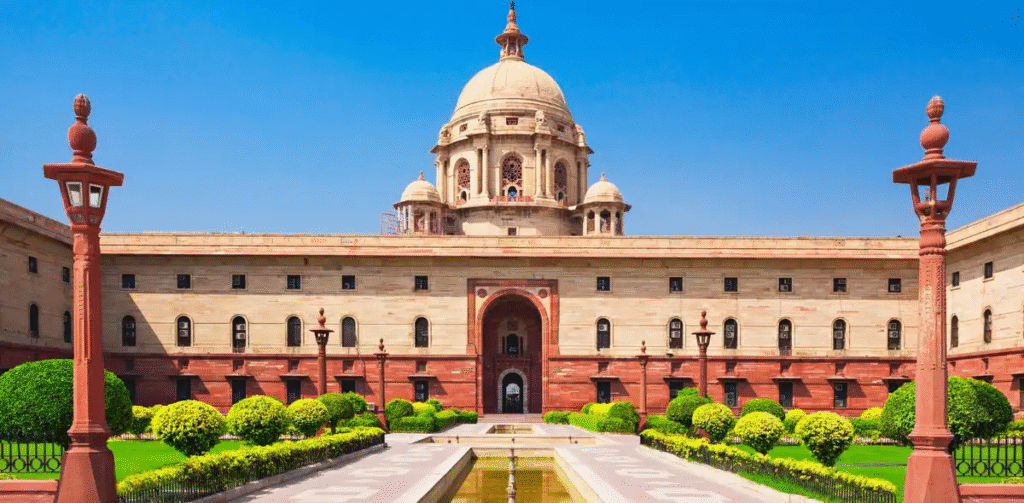
Rashtrapati Bhavan, New Delhi
The President’s residence falls inside one of the most heavily protected airspaces in the country. The area is a permanent no-fly zone to ensure the safety of the head of state and the administrative heart of India. Any unauthorised aircraft entering this zone can face immediate interception. The restriction keeps high-level government activity shielded from potential aerial threats.
Parliament and key government centres, New Delhi
Central Delhi houses the Parliament, the Prime Minister’s residence, major ministries, and national security establishments. The airspace above this stretch is marked as a high-security exclusion zone. With so many key institutions concentrated in one place, restricting flights reduces the risk of aerial intrusions, accidental crossings, or disruptions during important government proceedings.
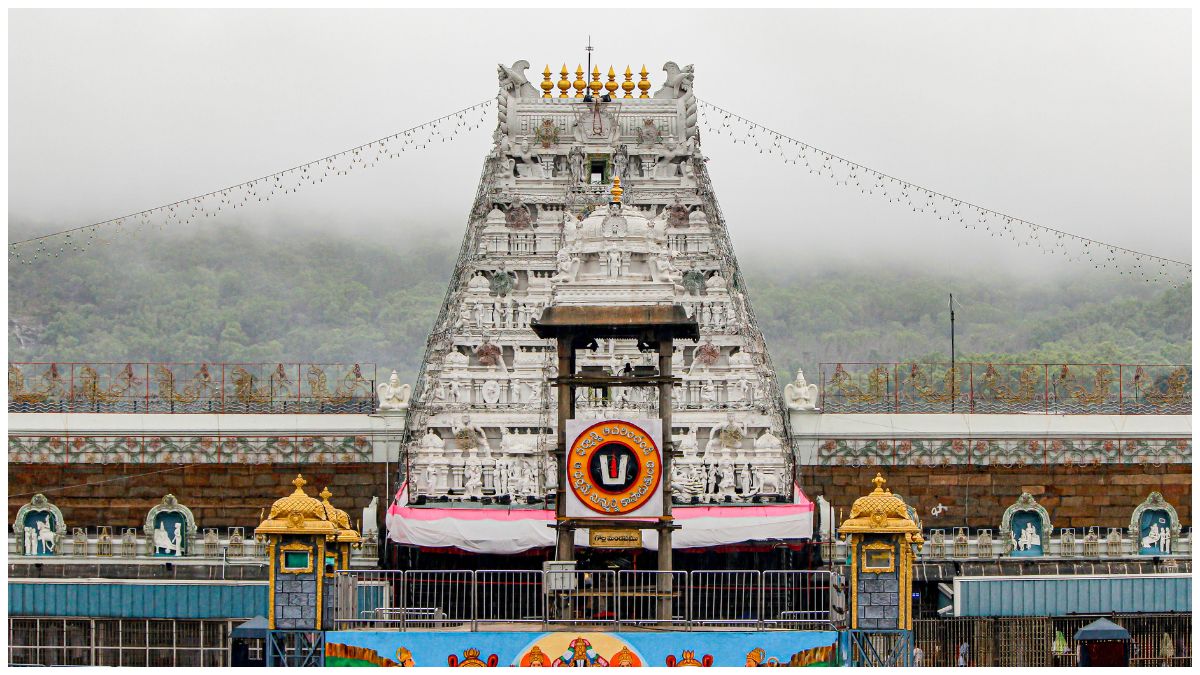
Tirumala Tirupati Venkateswara Temple, Andhra Pradesh
The temple attracts lakhs of devotees every month, and the surrounding hills are closely monitored. Aircraft are barred from flying directly over the temple complex for safety reasons and to ensure a secure environment for worshippers.
Taj Mahal, Uttar Pradesh
The Taj Mahal, a UNESCO World Heritage Site and one of the world’s most iconic monuments, also sits under a no-fly zone. The restriction helps protect the structure from potential damage caused by vibrations, pollution, or accidental overflights. With a massive daily footfall, maintaining the safety of visitors is a key factor behind this rule.
Bhabha Atomic Research Centre (BARC), Mumbai
BARC is one of India’s most sensitive nuclear research facilities, and its airspace is permanently off-limits. The restriction safeguards critical scientific work as well as national security. Any breach above such an installation could have serious consequences, so the area remains strictly controlled.
Frequently Asked Questions
What is the best time to visit Five no-fly zones in India and why aircraft avoid them? expand_more
How do I reach Five no-fly zones in India and why aircraft avoid them from Raipur? expand_more
Can Trips N Trippers arrange a customized guided tour for Five no-fly zones in India and why aircraft avoid them? expand_more
Are permits required for visiting Five no-fly zones in India and why aircraft avoid them? expand_more
Experience Bastar With Certified Local Experts
From Chitrakote water cascades to remote Dandami Maria tribal settlements, let Trips N Trippers curate an authentic, responsible, and culturally immersive itinerary for you.