Paris Syndrome: When the Dream Trip Turns Into a Psychological Shock
Quick Destination Logistics
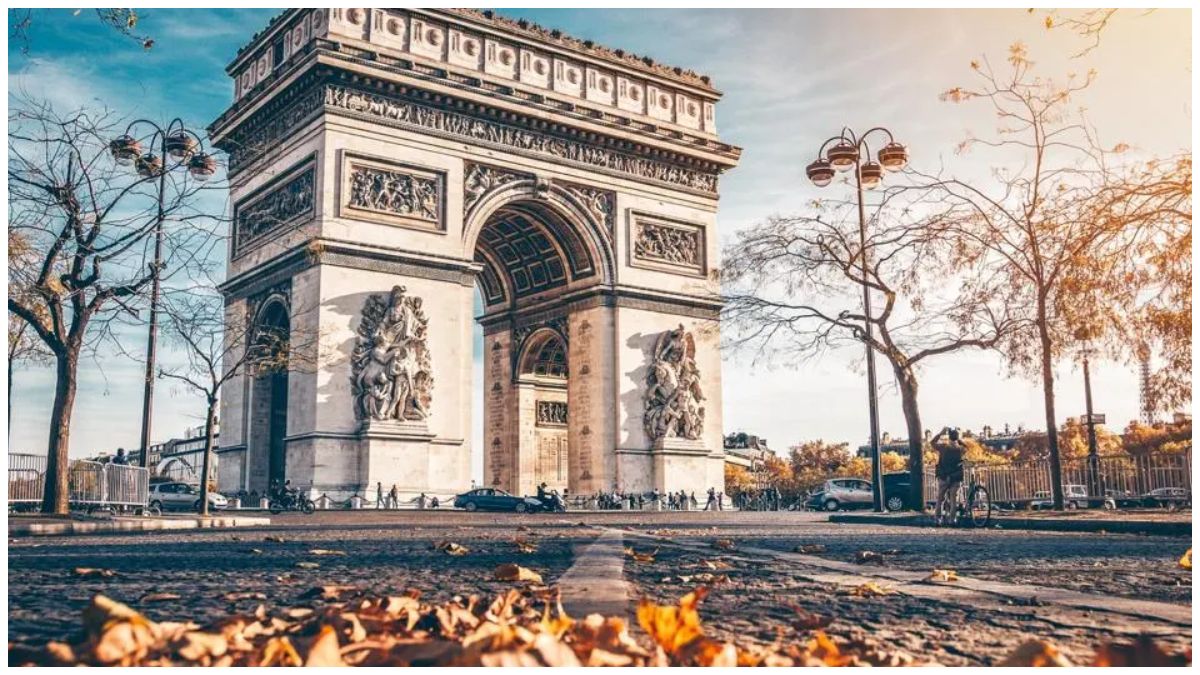
We all travel with expectations. Some dream of standing under the Eiffel Tower, walking cobblestone streets, or living moments they’ve seen in films. But sometimes, reality doesn’t live up to the fantasy. Paris the so-called City of Love can feel less romantic and more overwhelming for a few visitors. This rare psychological condition is known as Paris Syndrome.
What is Paris Syndrome?
The term was coined in the 1980s by Japanese psychiatrist Dr. Hiroaki Ota, who noticed that some Japanese tourists in Paris suffered intense distress when their idealized vision of the city clashed with what they actually experienced. Patients at Paris’s Sainte-Anne Hospital arrived anxious, disoriented, and convinced that something was deeply wrong with the city or with themselves.
The Symptoms
Paris Syndrome is an extreme form of culture shock. People may experience:
- Hallucinations or delusions
- Anxiety or panic attacks
- Rapid heartbeat and dizziness
- Feelings of depersonalization or unreality
While anyone can be disappointed by unmet expectations, the condition has been seen most often in Japanese tourists, likely due to the cultural and emotional contrast between the two societies.
Why It Happens
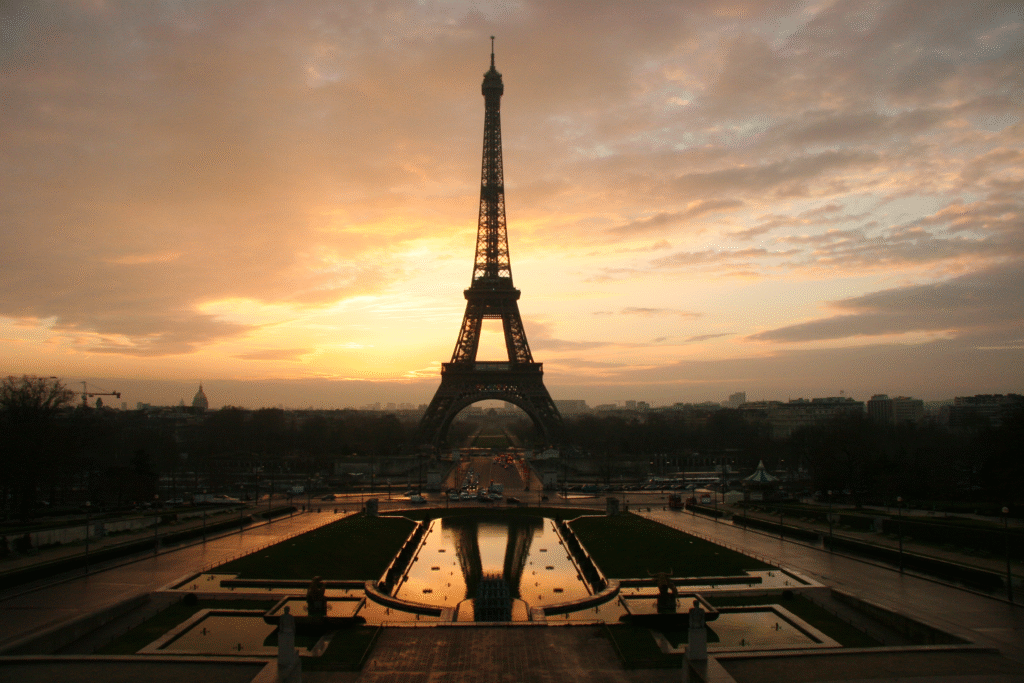
In Japanese media, Paris is portrayed as flawless elegant people, charming cafes, and poetic romance everywhere. When visitors arrive and face the city’s more chaotic side crowded metros, pickpockets, and sometimes curt service the emotional shock can be severe.
Several factors play into this:
- Cultural contrast: Japan’s culture of politeness (omotenashi) makes Parisian directness feel rude or cold.
- Language barrier: Limited French or English increases confusion and isolation.
- Solo travel: Many Japanese travelers visit alone, heightening loneliness.
- Safety perception: Paris’s petty crime contrasts sharply with Japan’s low-crime environment.
As psychologist Herve Benhamou explained, When the idea they have of the country meets the reality, it can provoke a crisis.
Documented Cases
Some incidents sound almost unbelievable. In 2007, the Japanese embassy in Paris helped repatriate four tourists suffering from severe breakdowns one believed her hotel room was bugged, another thought she was being microwaved, and a man became convinced he was the reincarnation of King Louis XIV.
Other Travel Syndromes
Jerusalem Syndrome: Some pilgrims visiting Israel start believing they’re prophets or biblical figures.
Stendhal Syndrome: Visitors in Florence feel dizzy or euphoric when overwhelmed by art and beauty.
These show how imagination, culture, and emotion can deeply shape human perception.
Bridging the Expectation Gap
At its heart, Paris Syndrome is about the tension between expectation and reality. Movies and social media paint Paris as perfect. The truth is more complex beautiful, yes, but also noisy, crowded, and imperfectly human.
Here’s how to avoid the shock:
- Keep your expectations grounded.
- Rest and hydrate- fatigue amplifies culture shock.
- Learn basic French phrases to ease communication.
- Embrace imperfection; even graffiti and grit are part of the city’s character.
The Takeaway
Most travelers fall in love with Paris. But for a few, the city’s reality collides too hard with their imagination. Paris Syndrome reminds us that no destination can live up to a fantasy. The magic of travel lies not in perfection, but in discovery.
The City of Light still dazzles just more honestly when you see it as it really is.
Frequently Asked Questions
What is the best time to visit Paris Syndrome: When the Dream Trip Turns Into a Psychological Shock? expand_more
How do I reach Paris Syndrome: When the Dream Trip Turns Into a Psychological Shock from Raipur? expand_more
Can Trips N Trippers arrange a customized guided tour for Paris Syndrome: When the Dream Trip Turns Into a Psychological Shock? expand_more
Are permits required for visiting Paris Syndrome: When the Dream Trip Turns Into a Psychological Shock? expand_more
Experience Bastar With Certified Local Experts
From Chitrakote water cascades to remote Dandami Maria tribal settlements, let Trips N Trippers curate an authentic, responsible, and culturally immersive itinerary for you.