The World’s Most Linguistically Diverse Country Isn’t India or China
Quick Destination Logistics
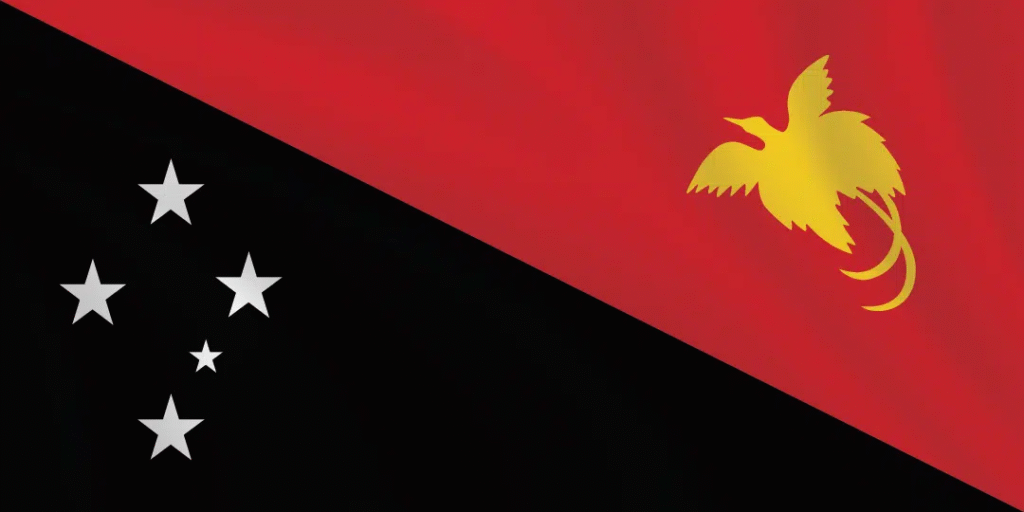
When people think of multilingual nations, India or China usually come to mind. But the true global leader sits in the islands of Oceania: Papua New Guinea.
With a population of just 9.4 million, Papua New Guinea is home to 840 living languages more than 10% of the world’s total, according to Our World in Data using figures from SIL International. That makes it the most linguistically diverse country on Earth, far ahead of much larger nations.
What counts as a living language?
A living language is one spoken as a first language by at least one person. It’s distinct from extinct languages, which no longer have native speakers, or second languages, which are learned beyond one’s mother tongue. By this definition, Papua New Guinea has no rival.
Why so many languages?
Settlement history, geography, and social structures all played a part. Humans first arrived in Papua New Guinea around 50,000 years ago, allowing languages to evolve and diversify over millennia. About 3,500 years ago, Austronesian seafarers added even more linguistic layers.
Unlike regions dominated by empires or kingdoms that imposed a common language, Papua New Guinea never developed centralized authority. Combined with rugged mountains, deep valleys, and isolated river systems, communities stayed separated, often creating distinct languages even a few kilometers apart.
By the numbers
Top 10 countries with the highest number of living languages (2024):
Papua New Guinea - 840
Indonesia - 710
Nigeria - 530
India - 453
China - 306
Mexico - 293
Cameroon - 279
United States - 236
Australia - 224
Brazil - 222
What makes Papua New Guinea remarkable is not just the total count but the scale: a small country outpacing global giants. Most people there grow up multilingual, speaking their village language, a regional lingua franca, and Tok Pisin, a creole that acts as a national bridge.
Why it matters
Each of these languages carries cultural memory, oral traditions, and ecological knowledge. But many face extinction as younger generations shift toward more widely used tongues. Preserving them is not simply about statistics it’s about safeguarding identity and history.
The world’s linguistic capital
Indonesia, Nigeria, and India each boast hundreds of languages, but Papua New Guinea stands alone. Its vast mosaic of tongues makes it the linguistic capital of the world a place where language is not just communication, but heritage.
Frequently Asked Questions
What is the best time to visit The World’s Most Linguistically Diverse Country Isn’t India or China? expand_more
How do I reach The World’s Most Linguistically Diverse Country Isn’t India or China from Raipur? expand_more
Can Trips N Trippers arrange a customized guided tour for The World’s Most Linguistically Diverse Country Isn’t India or China? expand_more
Are permits required for visiting The World’s Most Linguistically Diverse Country Isn’t India or China? expand_more
Experience Bastar With Certified Local Experts
From Chitrakote water cascades to remote Dandami Maria tribal settlements, let Trips N Trippers curate an authentic, responsible, and culturally immersive itinerary for you.