Gaya Pind Daan Guide: Why Bihar’s Ancient City Draws Pilgrims During Pitru Paksh
Actor Sanjay Dutt’s recent visit to Gaya during Pitru Paksha has once again brought attention to the city’s long-standing tradition of pind daan, the Hindu ritual performed in remembrance of departed ancestors. Dutt reportedly performed pind daan at the Vishnupad Temple for his ancestors. He had also visited Gaya in January 2024 to perform the ritual for his parents, Sunil Dutt and Nargis.
But Gaya’s importance goes far beyond celebrity visits. For generations, pilgrims have travelled to the city to perform shraddha, tarpan and pind daan for their ancestors. The city is regarded as one of the most significant Pitru Tirthas in Hindu tradition.

What is Pind Daan?
Pind daan is an ancestral ritual in which offerings known as pindas are made for departed family members. The ritual is traditionally performed with prayers, mantras, tarpan and other ceremonies, with the intention of seeking peace and liberation for the souls of ancestors. The exact procedure can differ depending on family traditions and the guidance of priests. According to the Bihar government's official Pinddaan Gaya Ji portal, Gaya has 48 major sacred sites associated with pind daan.
Why is Gaya important for Pind Daan?
The religious significance of Gaya is closely linked to the legend of Gayasur. Hindu tradition holds that Lord Vishnu subdued Gayasur by placing his foot upon him. The sacred footprint associated with Vishnu is believed to be preserved at the Vishnupad Temple. Gaya is also associated with the traditional belief that Lord Rama came here to perform pind daan for his ancestors. Another important tradition is linked to Sita Kund. According to Bihar Tourism, Goddess Sita is believed to have performed pind daan there for King Dashrath. These traditions have made Gaya an important destination for families seeking to perform ancestral rites.
Important places for Pind Daan in Gaya
Pind daan is performed at several sacred locations across Gaya rather than at a single temple.
Vishnupad Temple: Located near the Falgu River, the temple is dedicated to Lord Vishnu and houses the revered footprint. The present structure was built in the 18th century under the patronage of Queen Ahilyabai Holkar.
Falgu River: The river and its ghats form an important part of Gaya’s ancestral rituals. The stretch between Dev Ghat and Pitamaheshwar is traditionally regarded as significant.
Akshay Vat: The sacred banyan tree near the Vishnupad complex is another important stop for pilgrims performing ancestral rituals.
Ramshila: Located near Panchayati Akhara, Ramshila is associated with the religious traditions surrounding Lord Rama and pind daan.
Pretshila: Situated near Gaya, Pretshila is another important site for ancestral rites. Brahma Kund at the foothill is traditionally associated with ritual bathing before pind daan.
Sita Kund and Bodh Gaya: Several other sacred sites and vedis, including Matangvapi, Dharmaranya and Bodhitaru, are also part of the wider pilgrimage circuit.
Is Pind Daan performed only during Pitru Paksha?
No. Pind daan can be performed at other times as well, depending on family tradition and religious practice. However, Pitru Paksha is considered one of the most significant periods for ancestral rituals. During these days, thousands of pilgrims travel to Gaya to perform shraddha and pind daan. In 2026, the official Gaya Pinddaan portal lists the Pitrapaksha Mela from September 25 to October 10.
Planning a Gaya Pind Daan trip
First-time visitors can make arrangements for the rituals before reaching Gaya. The official Pinddaan Gaya Ji portal provides information about priests, sacred vedis, accommodation, transport, medical facilities, parking and pilgrimage services. During Pitru Paksha, additional arrangements are also made by the local administration, including pilgrim helplines and control rooms.
How to reach Gaya
Gaya is well connected by rail, road and air. Gaya Junction has direct train services to several major cities, including Delhi, Mumbai, Kolkata, Chennai, Lucknow and Patna.
Gaya also has an international airport. Travellers can alternatively fly to Patna and continue by road or rail.
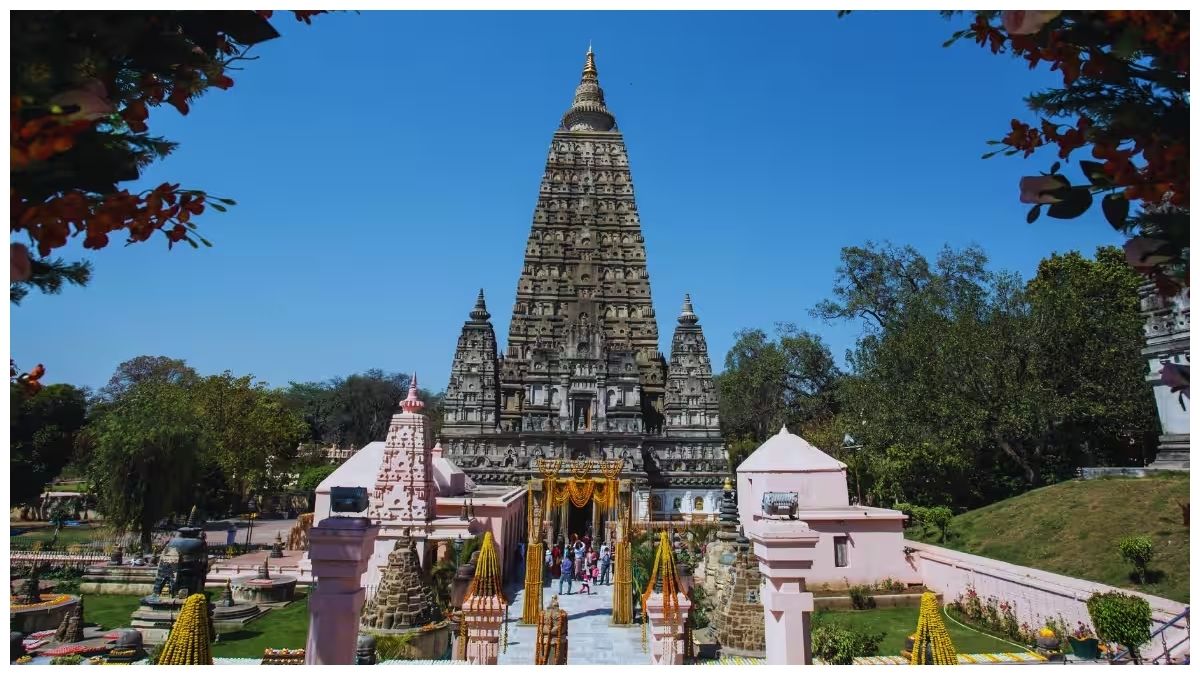
For those extending the trip beyond the ancestral pilgrimage, Bodh Gaya is a natural addition. The Mahabodhi Mahavihara, a UNESCO World Heritage Site, is located close to Gaya and is one of the world's most important Buddhist pilgrimage destinations.
For many visitors, a trip to Gaya is more than a religious journey. It brings together ancestral traditions, mythology, family remembrance and the cultural heritage of one of Bihar's oldest pilgrimage centres.
Experience Bastar With Certified Local Experts
From Chitrakote water cascades to remote Dandami Maria tribal settlements, let Trips N Trippers curate an authentic, responsible, and culturally immersive itinerary for you.