Bihar’s must-visit UNESCO World Heritage sites for culture lovers
Bihar has always carried a quiet depth. The state’s landscape is dotted with ancient ruins, timeless temples, and museums that remind you how much of India’s cultural story took shape here. Among its treasures are two UNESCO World Heritage Sites that hold global significance the Mahabodhi Mahavihara in Bodh Gaya and the Archaeological Site of Nalanda Mahavihara in Nalanda.
Both places sit at the heart of Buddhism’s spiritual and intellectual journey, drawing visitors who want to understand how this philosophy took root and evolved.
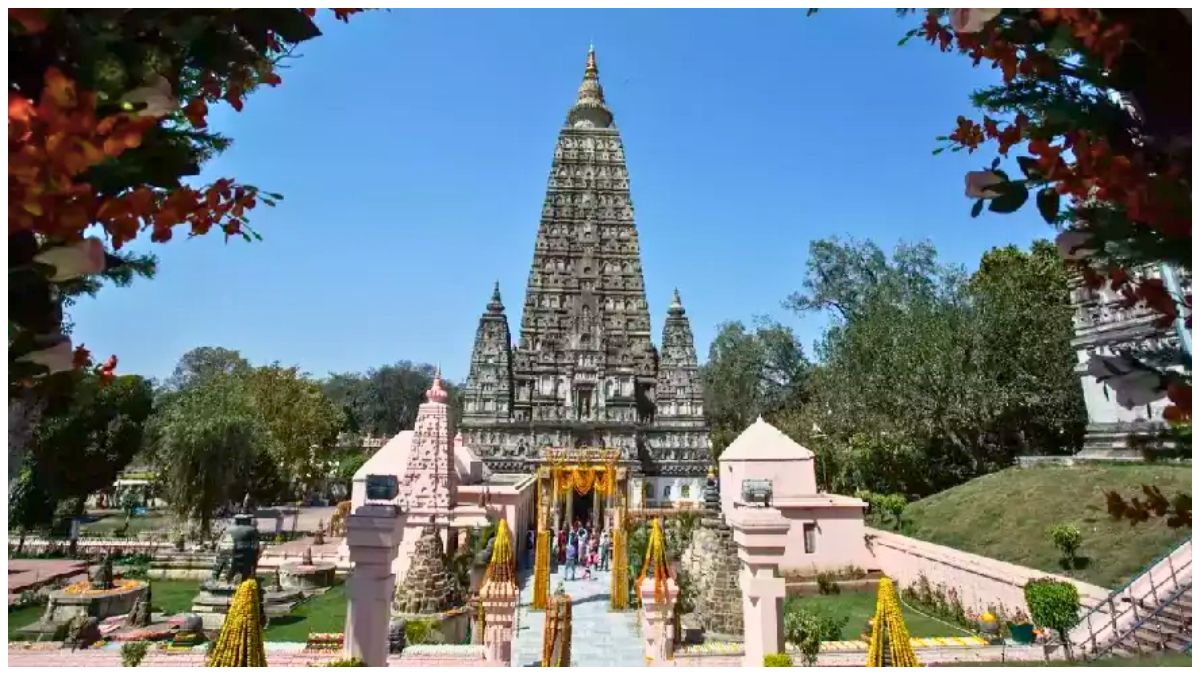
Mahabodhi Mahavihara, Bodh Gaya
The Mahabodhi Temple Complex is one of the world’s most important Buddhist pilgrimage destinations. This is where Gautam Buddha is believed to have attained enlightenment under the Bodhi tree, transforming Siddhartha into the Buddha.
The first temple at the site was built by Emperor Ashoka in the 3rd century BC. The structure we see today dates back to the 5th or 6th century, from the late Gupta period. What makes it stand out is that it remains one of India’s earliest surviving brick temples.
In 2002, UNESCO added it to its World Heritage list. Even today, the complex feels alive, with daily rituals, prayers, and meditation drawing devotees from around the world. Buddha Purnima is the highlight, when the temple becomes a hub of celebrations and spiritual gatherings.
Archaeological Site of Nalanda Mahavihara, Nalanda
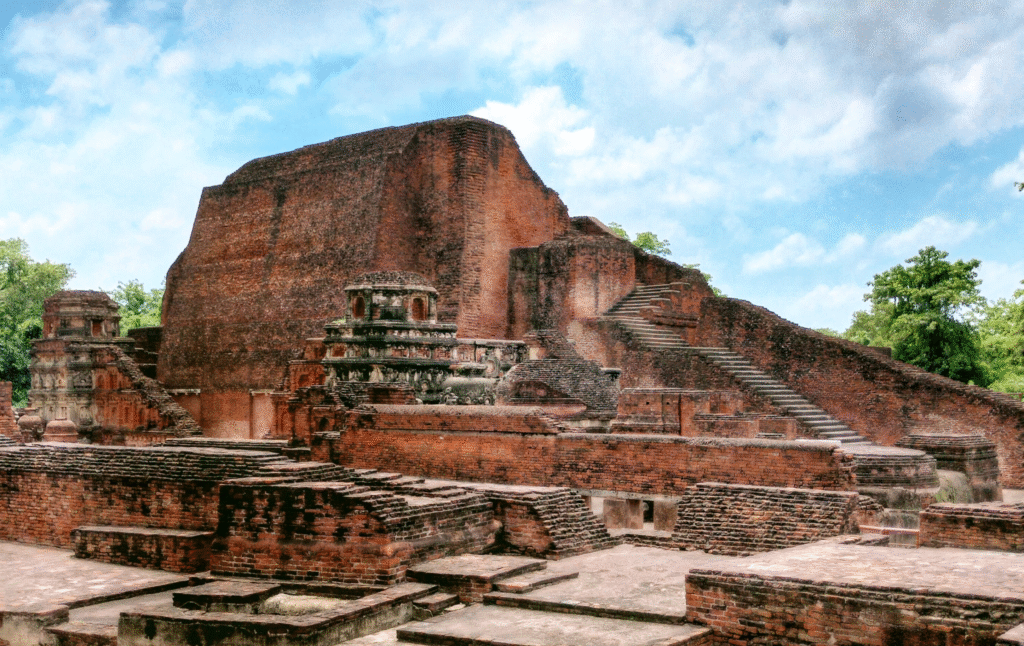
Long before modern universities came into existence, Nalanda was shaping some of the sharpest minds across Asia. Founded around the 3rd century BC and active until the 13th century, it served as a vast monastic and educational center.
Spread across roughly 23 hectares, the site features stupas, viharas, chaityas, and an impressive collection of sculptural art. Excavations reveal a thoughtfully designed complex, with monasteries surrounding open courtyards and temples aligned in front.
Nalanda wasn’t just a religious institution. It taught Buddhist philosophy alongside subjects like logic, mathematics, medicine, and astronomy. Chinese scholars Xuanzang and Yijing documented their experiences here, describing lectures, debates, and the intellectual energy that defined campus life.
The university declined after 13th-century invasions and was eventually abandoned. Today, UNESCO recognises Nalanda for its global contribution to education, architecture, and religious thought. Preservation efforts by ASI continue to protect its historic brickwork and archaeological layers.
A living legacy
Together, Mahabodhi Mahavihara and Nalanda Mahavihara offer a window into civilizations that shaped the way we think, pray, learn, and question. For anyone who loves history and culture, these sites don’t just tell stories they help you feel them.