From Tokyo to Mumbai: The world’s 10 largest cities by population
Cities across the globe have grown into massive mega centers that shape culture, migration, and economic power. Data from World Population Review shows several urban regions now crossing the 20–30 million mark. Here’s where the world’s biggest cities stand today, and how Delhi and Mumbai rank among them.
Tokyo, Japan
Tokyo holds the top spot with roughly 37 million people. It’s Japan’s political, financial, and cultural nerve center, known for its dense neighbourhoods, efficient transit, and enormous metropolitan footprint. Years of steady development keep it firmly at number one.
Delhi, India
Delhi ranks second with about 34.67 million residents. Rapid urban growth, large-scale migration, and expanding suburbs have pushed its population steadily upward. As India’s capital and a major hub for governance, business, education, and transport, the city continues to spread deep into the National Capital Region.
Shanghai, China
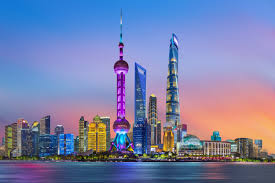
With nearly 30.48 million people, Shanghai places third. It remains China’s financial capital and a global business powerhouse. Its skyline, major port, corporate presence, and dense urban fabric highlight its influence across East Asia.
Dhaka, Bangladesh
Dhaka’s population sits at around 24.65 million, making it one of the fastest-growing megacities worldwide. Migration from rural regions and its role as Bangladesh’s economic and political center drive its constant expansion. High-density living and rapid sprawl define the city.
Cairo, Egypt
Cairo has about 23.07 million residents. As Egypt’s capital and one of Africa’s biggest metropolitan regions, it anchors political administration, culture, and the economy. The city stretches along the Nile and remains one of the continent’s most important urban hubs.
Sao Paulo, Brazil
With an estimated 22.99 million people, Sao Paulo is Brazil’s economic powerhouse. Its industrial and financial sectors attract migrants from across the country, fueling steady population growth.
Mexico City, Mexico
Mexico City stands at roughly 22.75 million. It’s the country’s center of political, cultural, and economic life, shaped by centuries of migration and development. It remains one of the Western Hemisphere’s most populated urban zones.
Beijing, China
Home to around 22.60 million people, Beijing takes the eighth spot. As China’s political capital, it houses key government institutions, historic sites, and a rapidly expanding tech and cultural scene. Its growth echoes China’s broader urban surge.
Mumbai, India
Mumbai has close to 22.09 million residents. As India’s financial capital, it hosts major industries across finance, entertainment, trade, and media. Economic opportunity keeps attracting people from across the country, making it one of the largest coastal megacities worldwide.
Osaka, Japan
Osaka and its surrounding metro region, including Kyoto and Kobe, together have around 19 million people. It serves as a major commercial and manufacturing hub with strong industrial and port activity, securing its place among the world’s biggest megacities.