Inside Brazil’s Snake Island: 5 Terrifying Facts
Quick Destination Logistics
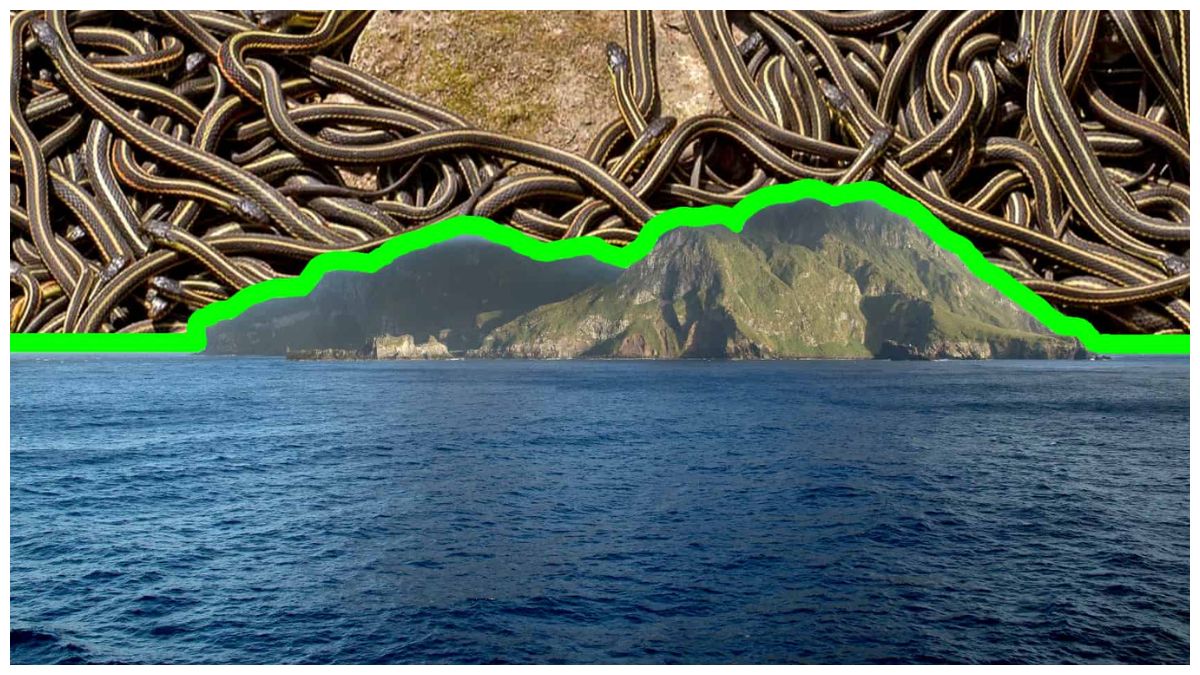
Hidden off the southeastern coast of Brazil lies an island so dangerous that tourists are completely banned from visiting it. Officially known as Ilha da Queimada Grande, the place is better known around the world as Snake Island a remote patch of forest in the Atlantic Ocean overrun by some of the deadliest snakes on Earth.
The island has become the subject of countless horror stories, survival myths and internet legends. But behind the viral reputation lies a very real danger that has forced Brazilian authorities to tightly restrict access for decades.
Here are five disturbing facts every traveller should know about Snake Island.
Thousands of Venomous Snakes Rule the Island
Snake Island is infamous for one reason above all else: snakes are everywhere.
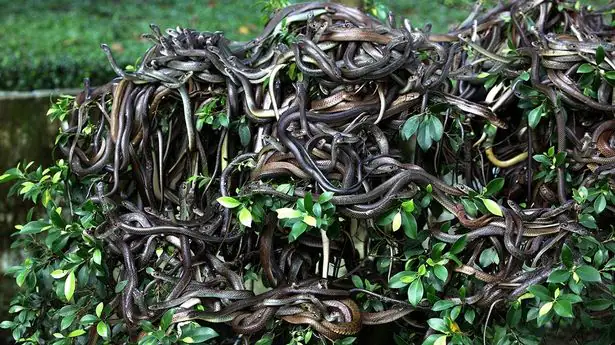
Researchers believe parts of the island once had an incredibly high snake concentration, with stories claiming there could be one snake per square metre in certain areas. While exact numbers vary, the island remains densely populated by venomous reptiles.
The island became isolated from mainland Brazil thousands of years ago, allowing snakes to evolve without natural predators. Over time, they completely dominated the ecosystem.
Home to the Golden Lancehead Viper
Snake Island is the only natural habitat of the critically endangered golden lancehead viper, one of the rarest snakes in the world.
The species is also considered among the most venomous pit vipers on the planet. Its venom can cause severe tissue destruction, internal bleeding, kidney failure and other life-threatening complications in humans.
Online stories often exaggerate the danger with claims that the venom can “melt human flesh,” but experts agree that a bite without immediate medical treatment can be deadly.
Tourists Are Completely Banned
This is not a place for thrill seekers. The Brazilian government has prohibited civilian access to Snake Island because of the extreme risk involved. The island is monitored by the Brazilian Navy and protected under conservation laws.
Only a limited number of authorised scientists, researchers and naval personnel are allowed to visit under strict supervision.
That means:
No tourists
No hotels or guesthouses
No hiking trails
No adventure tours
The island is protected by Brazil’s environmental agency, ICMBio, to preserve its fragile ecosystem and endangered species.
The Creepy Lighthouse Legend
One of the island’s most famous stories revolves around its abandoned lighthouse.
According to local legend, a lighthouse keeper once lived there with his family until snakes reportedly entered the house through a window and killed everyone inside. The story claims the lighthouse was abandoned soon after.
There are no verified official records confirming the incident, but the tale continues to fuel the island’s terrifying reputation.
Today, the lighthouse is automated and maintained remotely by the Brazilian Navy.
Even Scientists Treat the Island With Extreme Caution
Despite years of research, Snake Island remains one of the most dangerous places on Earth for humans to enter. Researchers visiting the island reportedly wear protective gear and follow tightly controlled safety protocols.
Dense vegetation, difficult terrain and the sheer number of venomous snakes make even short visits risky.
For most travellers, Snake Island remains a place best viewed from a distance a forbidden island where nature still completely dominates human survival.
Frequently Asked Questions
What is the best time to visit Inside Brazil’s Snake Island: 5 Terrifying Facts? expand_more
How do I reach Inside Brazil’s Snake Island: 5 Terrifying Facts from Raipur? expand_more
Can Trips N Trippers arrange a customized guided tour for Inside Brazil’s Snake Island: 5 Terrifying Facts? expand_more
Are permits required for visiting Inside Brazil’s Snake Island: 5 Terrifying Facts? expand_more
Experience Bastar With Certified Local Experts
From Chitrakote water cascades to remote Dandami Maria tribal settlements, let Trips N Trippers curate an authentic, responsible, and culturally immersive itinerary for you.