8 South Indian temples in Delhi
Delhi is best known for its Mughal monuments, crowded bazaars and layered history. But the city is much more than that. It also carries pieces of India’s many regions within its boundaries. One such presence is South India. Scattered across the capital are temples that reflect southern architectural styles, rituals and spiritual traditions. With towering gopurams, granite shrines and age-old customs, these temples act as cultural bridges, bringing the essence of the South to the North.
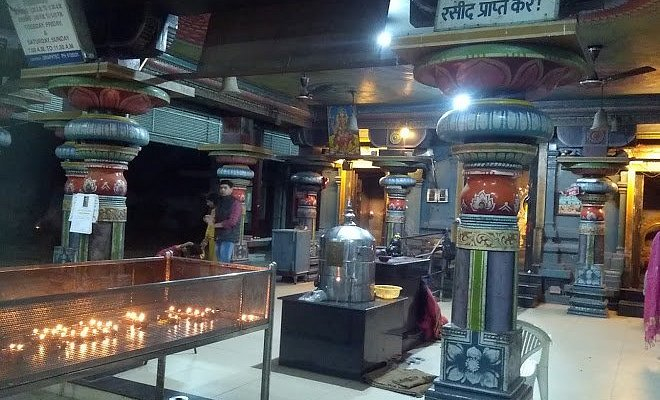
Here are eight South Indian temples in Delhi that stand out.
Uttara Swami Malai Temple, R.K. Puram
Popularly known as Malai Mandir, this temple sits atop a small hill in R.K. Puram and is one of the most striking South Indian temples in Delhi. Built entirely of grey granite, it follows classic Dravidian architecture with pyramid-shaped towers and a turtle-back layout. The temple is surrounded by prakarams, or corridors, and houses the main shrine of Lord Murugan, along with shrines of Vinayagar, Sundareswarar and Meenakshi.
Sri Vaikuntanathji Mandir, Ber Sarai
This temple offers a quiet glimpse into Tamil devotional life. Its carved pillars, oil lamps and traditional poojas create a peaceful atmosphere. While simpler in structure compared to larger temples, it remains a deeply cherished spiritual space for devotees.
Devi Kamakshi Mandir, Qutab Institutional Area
Dedicated to Goddess Kamakshi, a revered form of Parvati in Tamil Nadu, this temple is known for its calm energy and finely sculpted gopuram. Though modest in size, its stone pillars and detailed design preserve centuries-old South Indian traditions in the heart of Delhi.
Sree Ayyappa Temple, R.K. Puram
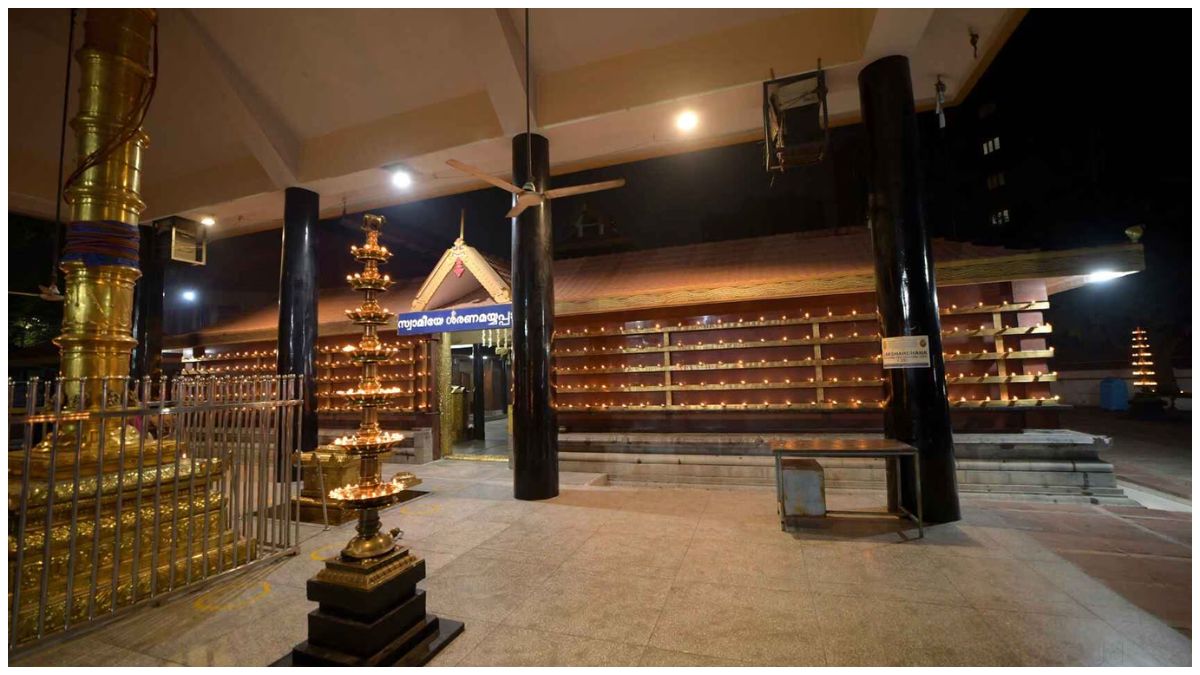
Designed in the traditional Kerala temple style, this shrine features curved roofs instead of towering gopurams. Lord Ayyappa is worshipped here in a seated, meditative posture. During the Mandalam season, the temple comes alive with devotion and festive gatherings.
Uttara Guruvayurappan Temple, Mayur Vihar
Modelled after the famous Guruvayur temple in Kerala, this temple is dedicated to Guruvayurappan, a form of Lord Krishna. Sloping roofs, wooden gates and a serene layout reflect Kerala’s temple architecture. The complex also includes shrines to Ganapati, Shiva, Ayyappa and a small Sarpa Kavu, or snake grove.
Sri Venkateswara Temple, President’s Estate
Inspired by the Tirupati Balaji temple, this shrine is dedicated to Lord Venkateswara. The tall gopuram, sculpted pillars and black granite idol of the deity, flanked by Sridevi and Bhudevi, mirror Tirumala traditions. Rituals and festivals here follow South Indian Vaishnava practices, offering a sense of cultural continuity to devotees from the South.
Sree Vinayaka Mandir, Sarojini Nagar
This temple, dedicated to Lord Vinayaka, features stone carvings and a traditional South Indian layout. Alongside the main shrine are smaller sanctums for Hanuman, Shiva and the Navagrahas. Though modest in scale, it attracts devotees from varied linguistic and cultural backgrounds.
Sri Devi Karumari Amman Dharma Sanstha, Vishnu Garden
Known for its brightly painted gopuram and golden viman, this temple is dedicated to Goddess Karumariamman, widely worshipped in Tamil Nadu. Traditional poojas, especially on Tuesdays and Fridays, along with a temple tank and smaller surrounding shrines, reflect the strong presence of South Indian temple culture in West Delhi.