Western Ghats: Beyond Wildlife, A Complete Travel Experience
The Western Ghats are often seen through the lens of wildlife and birdwatching. That makes sense, given they are among the most biodiverse regions in the world. But that’s only part of the story. Stretching across six Indian states, the Ghats offer a rich mix of landscapes, history, culture, and experiences that go far beyond forests and rare species.
Hill stations that feel alive
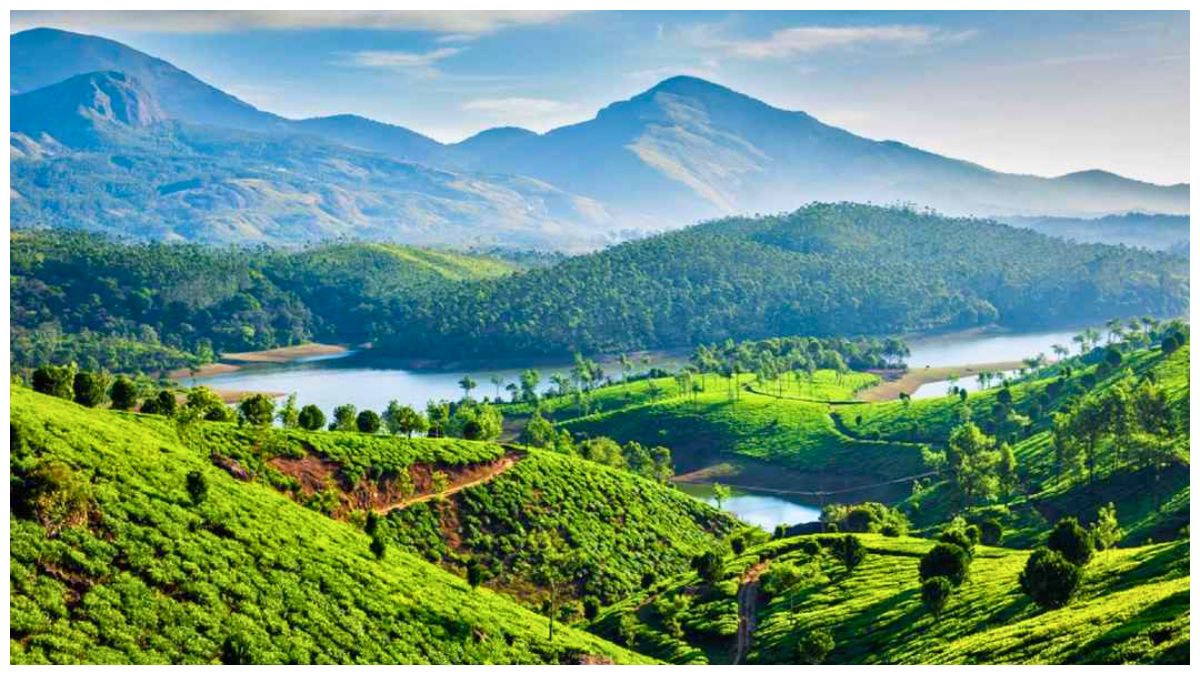
Places like Munnar and Ooty are more than just scenic getaways. Munnar’s tea gardens may be its signature, but the real charm lies in its everyday rhythm misty mornings, winding roads, and quiet village life. Ooty, on the other hand, blends its colonial past with South Indian culture, offering botanical gardens, heritage railways, and peaceful lakes that still hold old-world charm.
A region shaped by history
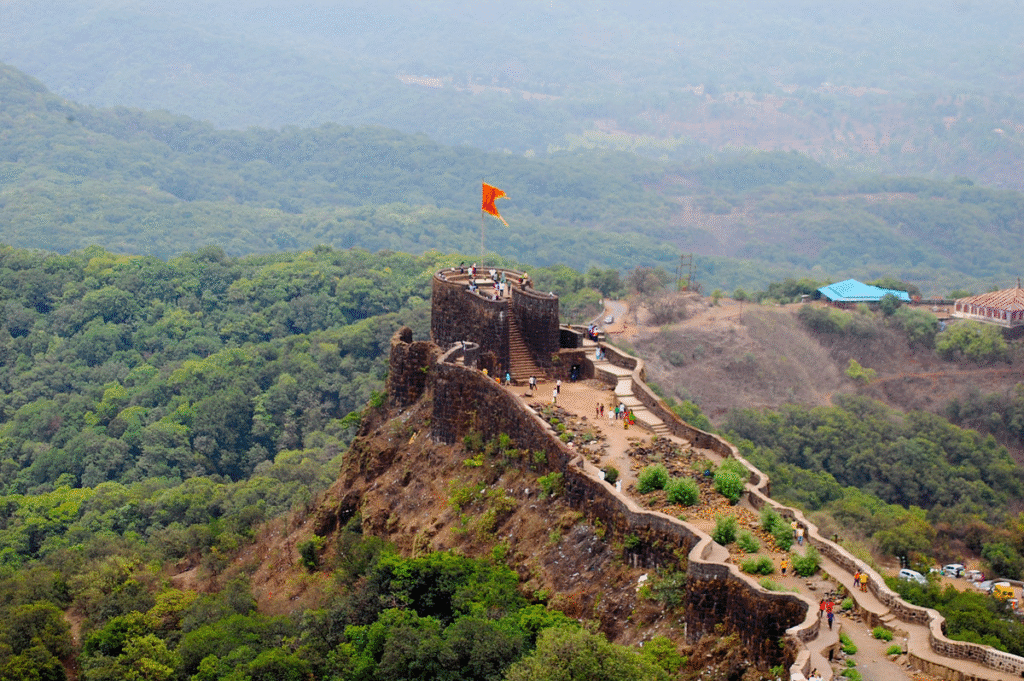
The Western Ghats have long served as a natural corridor into the Indian subcontinent. The rugged Sahyadri hills are dotted with forts from the Maratha era. Raigad Fort, once the capital of Chhatrapati Shivaji Maharaj, stands as a reminder of the region’s strategic and historical importance. Nearby forts like Rajmachi add to this legacy.
Monsoon magic and hidden waterfalls
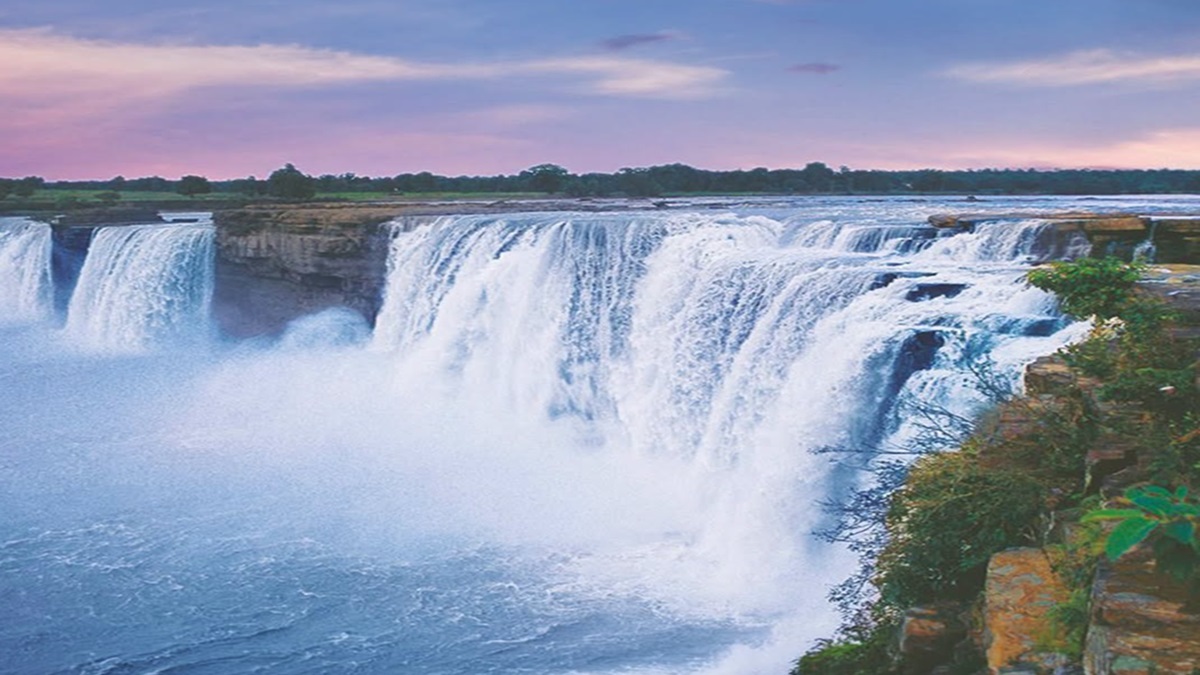
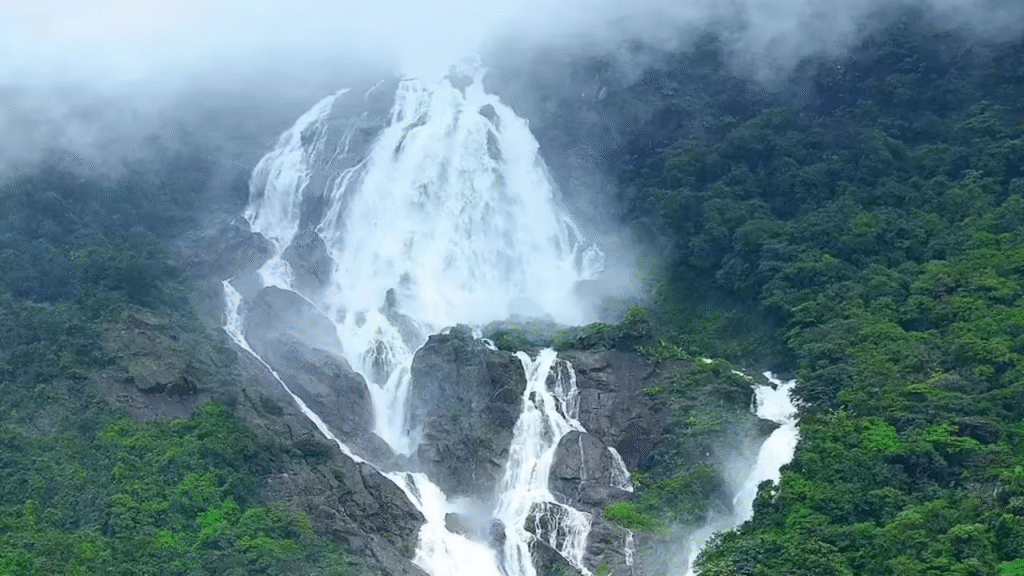
When the monsoon arrives, the Ghats transform completely. Dry slopes turn lush green, and waterfalls come alive. Well-known spots like Jog Falls and Dudhsagar Falls draw crowds, but the real surprise lies in seasonal waterfalls that appear briefly during the rains, offering quieter and often more striking views.
An adventure lover’s playground
Adventure in the Western Ghats is as much about exploration as it is about thrill. Trekking routes cut through forests, grasslands, and remote villages. Peaks like Kudremukh and Chembra attract hikers, while lesser-known trails lead to hidden viewpoints and seasonal plateaus. The region also offers options for mountain biking, off-road driving, and river-based activities.
Spiritual roots run deep
Temples and pilgrimage routes are deeply woven into the landscape. Sites like Sabarimala draw millions each year, while many smaller, lesser-known temples offer peaceful and immersive spiritual experiences away from the crowds.
Plantations and local flavours
Plantation culture defines much of the Western Ghats. Tea estates in Munnar, coffee plantations in Coorg, and spice gardens in Kerala shape both the landscape and the cuisine. Fresh ingredients, bold spices, coconut-based dishes, and locally brewed drinks give the region its distinct culinary identity.
Nature’s seasonal spectacles
The Western Ghats are also home to unique natural events. The Kaas Plateau in Maharashtra bursts into a colourful bloom each year, earning its title as the Valley of Flowers. Meanwhile, the shola grasslands and ecosystems in Wayanad offer rare and beautiful landscapes that change with the seasons.
The Western Ghats are not just a destination for nature lovers. They are a layered experience where history, culture, adventure, and everyday life come together offering far more than what first meets the eye.