From Madhubani to Manjusha: 10 Traditional Bihar Art Forms Every Traveller Should Explore
Bihar cultural heritage extends far beyond its ancient universities, Buddhist sites, and world-famous Madhubani paintings. Across the state, centuries-old art traditions continue to thrive in villages, markets, temple towns, and artisan communities. For travellers looking to experience Bihar’s living culture, these traditional art forms offer a fascinating journey through the state’s rich creative legacy.
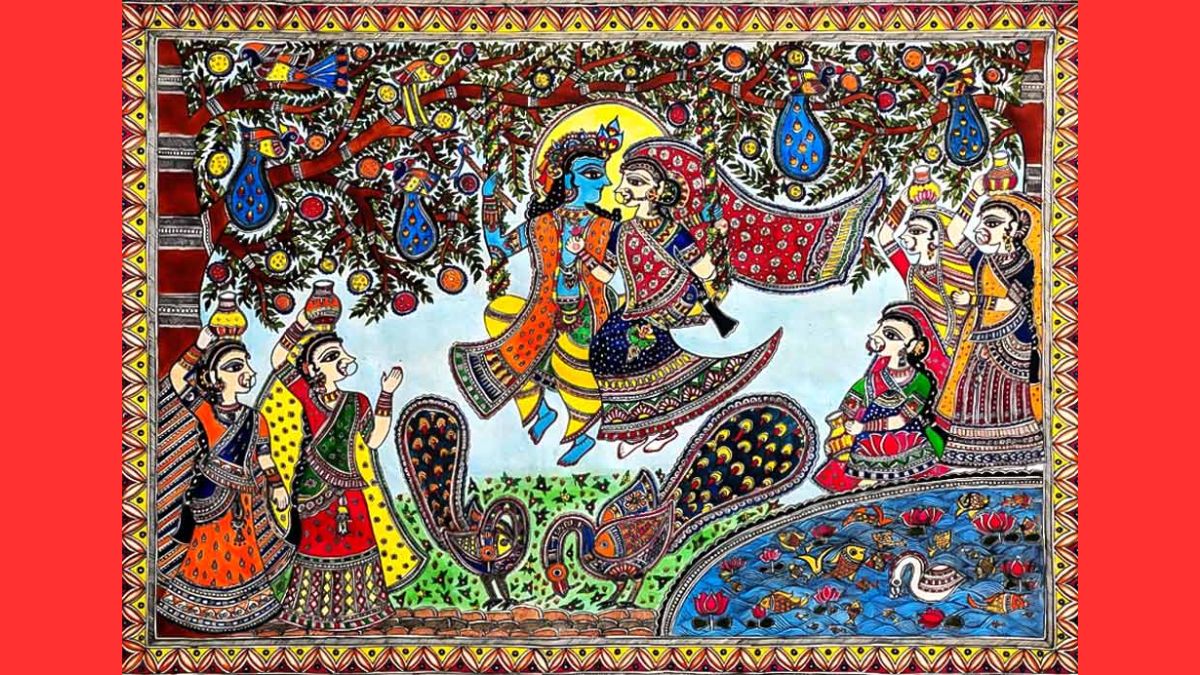
- Madhubani Painting, Madhubani District
Among Bihar most celebrated art forms, Madhubani painting originated in the Mithila region and was traditionally practiced by women to decorate homes during festivals and weddings. Known for intricate patterns, vibrant natural colours, and mythological themes, these paintings have earned international recognition.
Where to visit: Jitwarpur and Ranti villages in Madhubani district.
- Sujni Embroidery, Muzaffarpur
What began as a practical way of stitching old saris and dhotis into quilts has evolved into a unique storytelling art. Through delicate running stitches, Sujni embroidery depicts village life, festivals, social issues, wildlife, and women’s experiences.
Where to visit: Artisan villages across Muzaffarpur district.
- Manjusha Art, Bhagalpur
Deeply rooted in the folk tale of Bihula and the serpent goddess Bishahari, Manjusha art is known for its bold outlines, geometric borders, serpent motifs, and side-profile human figures. The paintings narrate stories of devotion, resilience, and faith.
Where to visit: Bhagalpur, especially during the Bishahari Puja festival.
- Tikuli Art, Patna
Originally inspired by decorative glass bindis, Tikuli art transformed into a distinct painting tradition when artisans began creating detailed artworks on hardboard using enamel paints. Themes range from mythology and village life to Mughal-era scenes.
Where to visit: Craft centres and artisan workshops in Patna.
- Sikki Grass Craft, Madhubani
Using golden-hued Sikki grass found in the wetlands of North Bihar, artisans create decorative boxes, figurines, baskets, and household items. The craft showcases remarkable skill and sustainable use of natural materials.
Where to visit: Villages across Madhubani district.
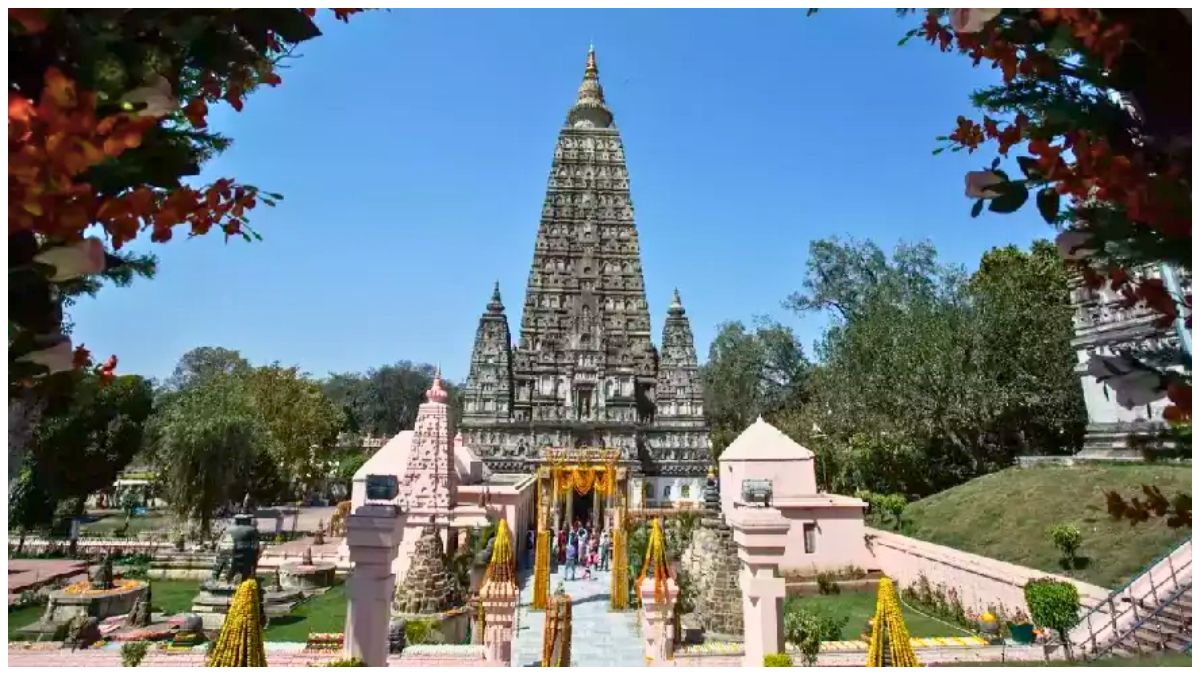
- Stone Carving, Gaya and Bodh Gaya
Bihar’s stone-carving tradition dates back centuries and remains closely linked to its religious heritage. Skilled craftsmen continue to carve images of Buddha, Hindu deities, and sacred symbols from black stone.
Where to visit: Gaya and Bodh Gaya.
- Lacquer Work, Muzaffarpur
Traditionally known for colourful lacquer bangles worn during weddings and festivals, artisans today create a wide range of decorative and utility products, including boxes, toys, and home décor items.
Where to visit: Local markets in Muzaffarpur.
- Papier-Mâché Craft, Patna
Though less famous than its Kashmiri counterpart, Bihar’s papier-mâché tradition produces masks, figurines, ornaments, and decorative objects. The craft reflects creativity, sustainability, and local artistic expression.
Where to visit: Handicraft fairs, exhibitions, and workshops in Patna.
- Terracotta Craft, Darbhanga
Terracotta remains an important part of Bihar’s artistic landscape. Artisans in Darbhanga mould clay into religious idols, decorative pieces, and household items inspired by rural and agricultural life.
Where to visit: Potters’ villages around Darbhanga.
- Bamboo and Cane Craft, West Champaran
In West Champaran, bamboo and cane are transformed into baskets, storage containers, furniture, mats, fishing tools, and decorative items. These eco-friendly products continue to play an important role in local livelihoods.
Where to visit: Villages across West Champaran district.
From colourful paintings and intricate embroidery to sustainable handicrafts and ancient sculpting traditions, Bihar offers travellers an opportunity to witness living art forms that have been preserved and passed down through generations.