Shekha Jheel Bird Sanctuary Gets Ramsar Tag
In a significant step for wetland conservation in the country, Shekha Jheel Bird Sanctuary has been designated as a Ramsar site, taking India’s total count to 99. With this addition, Uttar Pradesh now has 12 wetlands recognized under the international framework, further strengthening its position as one of the leading states in wetland conservation.
The announcement was made by Union Environment Minister Bhupender Yadav, who described the development as a major boost for biodiversity, local livelihoods, and climate resilience. In a post on X, he noted that the recognition reflects India’s growing commitment to protecting its natural ecosystems and comes at a time when the country is nearing the milestone of 100 Ramsar sites.
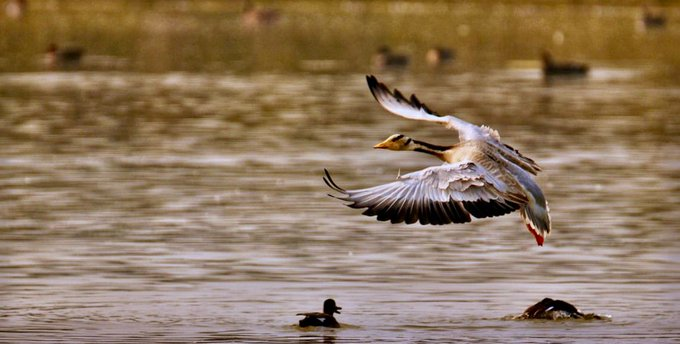
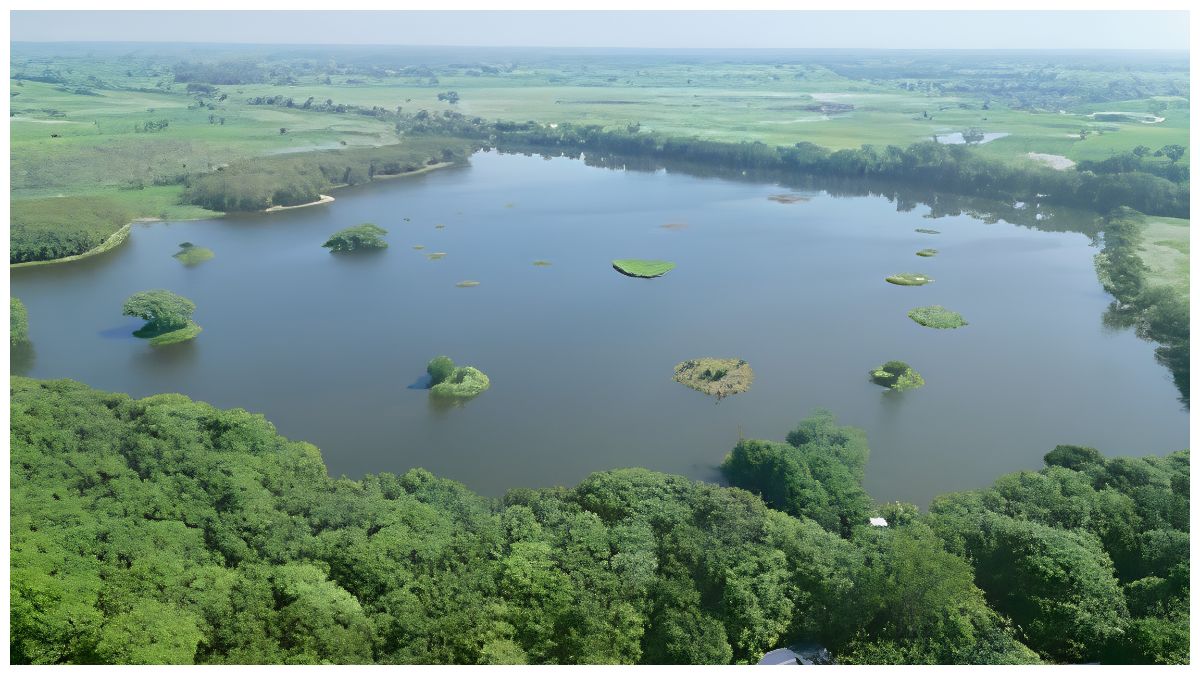
Situated in Aligarh district, Shekha Jheel is among the most important wetlands in western Uttar Pradesh. It serves as a crucial stopover for migratory birds along the Central Asian Flyway, one of the world’s key avian migration corridors. During the winter months, the sanctuary becomes a temporary home to several bird species, including the Bar-headed Goose, Painted Stork, and multiple species of ducks. These seasonal visitors make the wetland ecologically rich and vital for maintaining regional biodiversity.
India Moves Closer to 100 Wetlands Milestone
The Ramsar recognition is granted under the Ramsar Convention, a global agreement focused on the conservation and sustainable use of wetlands. Sites listed under this convention are considered internationally important for their ecological functions, including water purification, flood control, and habitat support for wildlife.
Officials believe that the new designation will not only strengthen conservation measures but also open up economic opportunities for local communities. Wetlands like Shekha Jheel often become hubs for eco-tourism, attracting bird-watchers, researchers, and photographers. This, in turn, can generate employment and promote sustainable tourism practices in the region.
The recognition also aligns with India’s broader environmental vision under the leadership of Narendra Modi, which places strong emphasis on ecosystem restoration and conservation of natural habitats. Over the past few years, India has significantly expanded its network of protected wetlands, gaining global appreciation for its efforts.
Experts point out that wetlands play a critical role in addressing climate change challenges by acting as natural carbon sinks and supporting water security. The inclusion of Shekha Jheel in the Ramsar list highlights the increasing focus on preserving such ecosystems amid growing environmental concerns.
With this latest addition, Uttar Pradesh continues to emerge as a key contributor to India’s wetland conservation journey. The Ramsar tag is expected to bring greater attention to Shekha Jheel, encouraging both conservation initiatives and responsible tourism, while reinforcing the importance of protecting fragile ecosystems for future generations.